Why K-12 Christian Education Creates Better College-Ready Students: The Research Revealed

Are you wondering if your child's educational foundation will truly prepare them for the challenges and opportunities that lie ahead in college and beyond? As parents, we all want to give our children the best possible start in life, and the research is revealing some compelling insights about how K-12 Christian education creates exceptionally well-prepared, college-ready students.
The conversation around college readiness has never been more important. With rising college costs, competitive admission processes, and an increasingly complex world waiting for our graduates, the educational choices we make today have lasting implications. The good news? Recent studies are shedding light on specific factors within Christian education that give students distinct advantages as they transition to higher education.
The Academic Excellence Factor
When we look at the data, certain patterns emerge that paint a clear picture of academic success in Christian schools. Research conducted on University-Model Schools within the Christian education sector shows remarkable results: students in these programs scored significantly higher on SAT Composite exams compared to their peers in traditional comprehensive Christian schools (Coleman and Kim 156). This isn't just about test scores – it's about developing the critical thinking skills and academic rigor that college success demands.
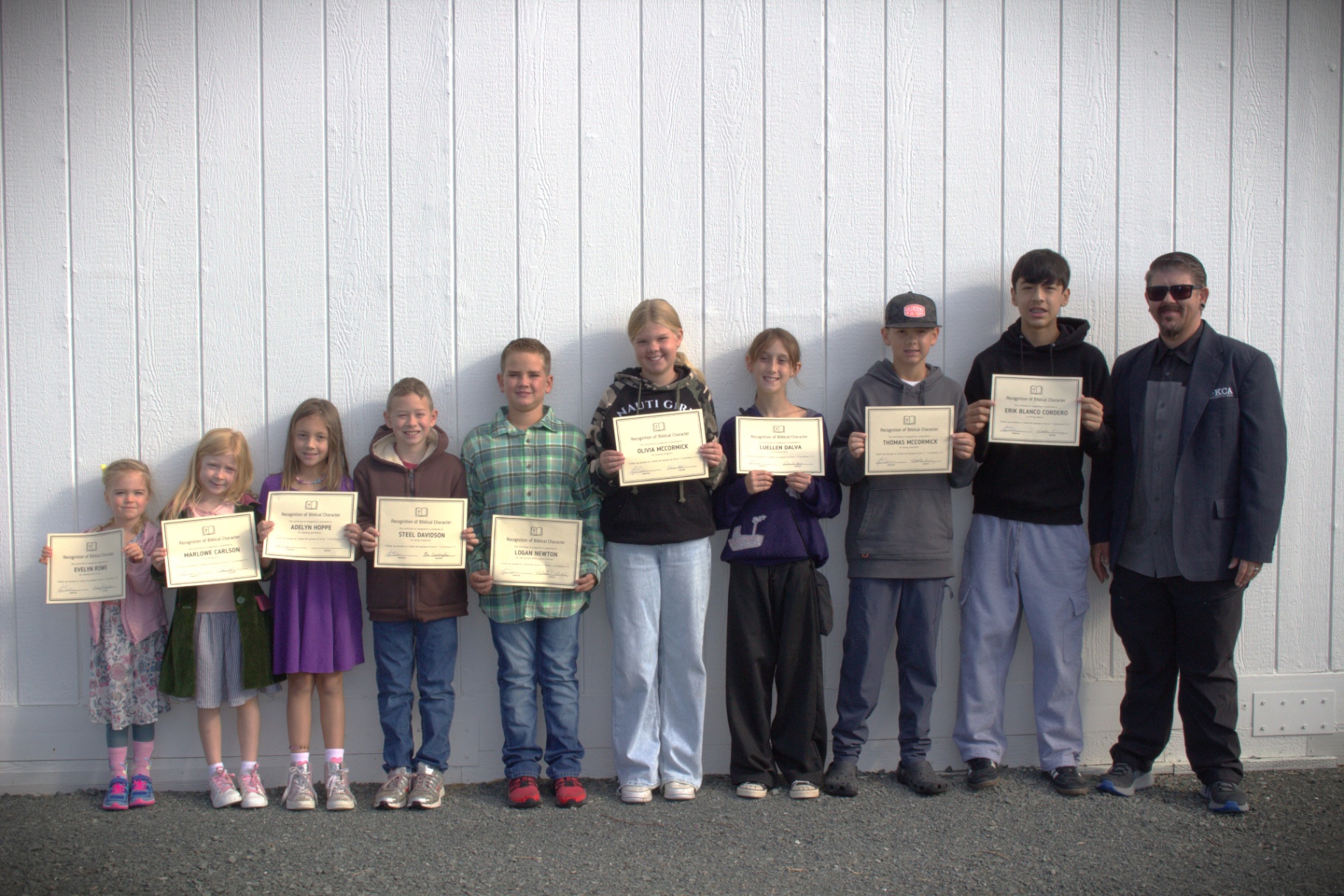
What makes this difference? It starts with small class sizes, which research consistently links to stronger college readiness outcomes. When teachers can provide personalized attention and address individual learning needs, students naturally thrive (Johnson and Roberts 78). At schools like KCA Eagles, this individualized approach isn't just a nice feature – it's fundamental to how education happens every day.
The integrated college preparatory curriculum begins much earlier than you might expect. Rather than waiting until junior or senior year to think about college preparation, quality Christian schools start building these foundations in middle school. Students begin mastering algebra concepts, developing sophisticated study skills, and honing their writing abilities from an early age. This gradual, intentional approach means students aren't scrambling to catch up later – they're already ahead of the curve.
Building Social and Emotional Intelligence
College readiness isn't just about academic achievement – it's about developing the whole person. Christian education excels at nurturing the social and emotional intelligence that college students need to navigate dormitory life, collaborative projects, leadership opportunities, and the independence that higher education demands.

The multi-age community environment found in many Christian schools provides unique advantages. When students regularly interact across grade levels – whether in chapel services, group projects, or mentorship programs – they develop communication skills and adaptability that serve them well in college's diverse social landscape. They learn to collaborate with peers from different backgrounds and perspectives, building the emotional intelligence that employers consistently rank among the most valuable skills for career success.
Christian schools also emphasize character development in ways that directly translate to college success. Students learn accountability, time management, and ethical decision-making through both curriculum and daily interactions. These aren't abstract concepts – they become lived experiences that prepare students for the independence and responsibility of college life.
The Foundation of Faith and Purpose
One of the most distinctive advantages of Christian K-12 education is how it helps students develop a strong sense of identity and purpose before they enter college. This spiritual foundation provides an anchor during the transition years when many students struggle with questions of identity and direction.
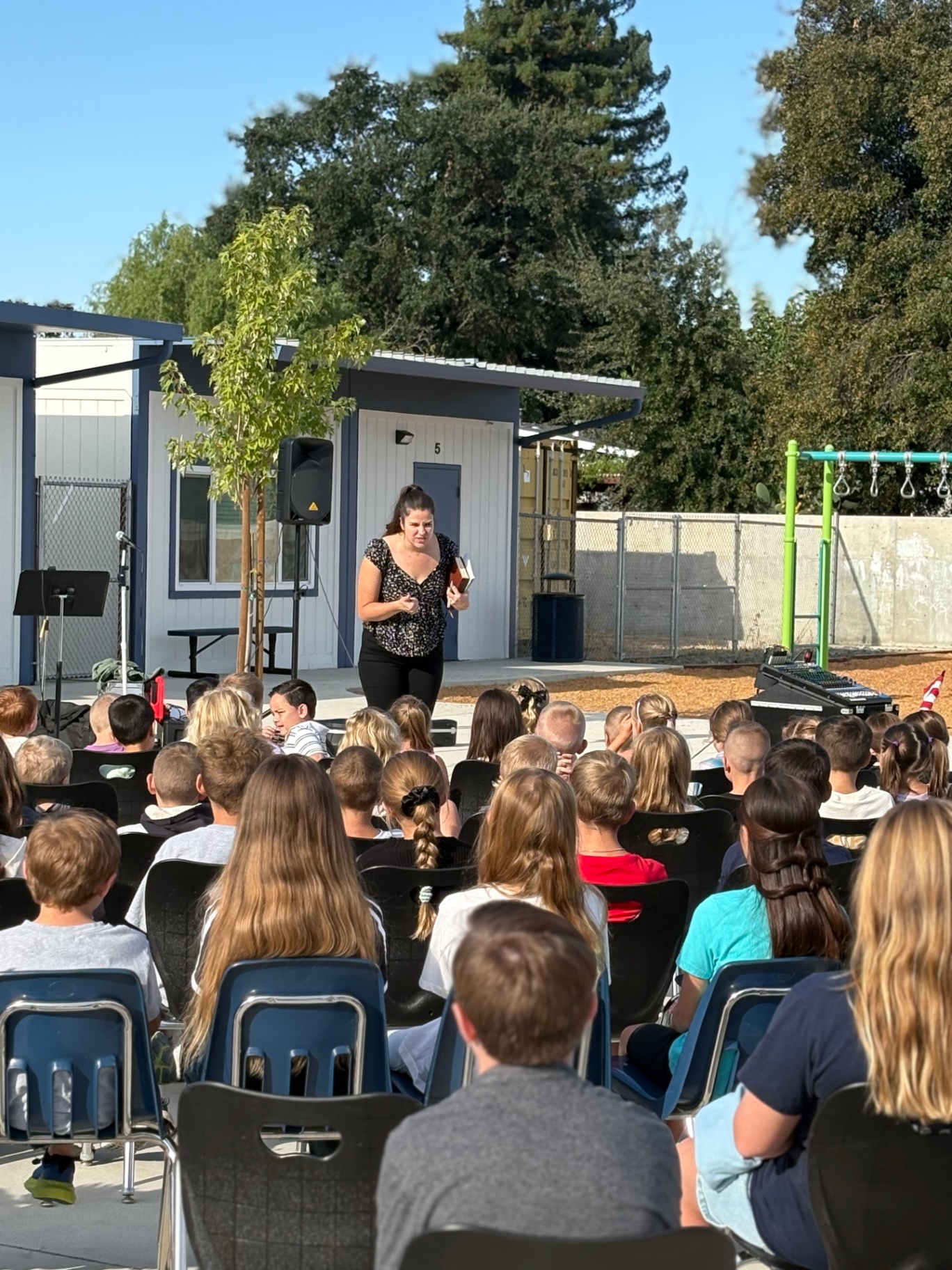
Students who graduate from Christian schools often arrive at college with a clear understanding of their values and beliefs. This doesn't make them close-minded – quite the opposite. Having a strong foundation actually enables them to engage more confidently with diverse perspectives and challenging ideas. They're prepared to think critically about complex issues while maintaining their core convictions.
The integration of faith and learning also develops what educators call "wisdom thinking" – the ability to connect knowledge across disciplines and apply learning to real-world situations. This holistic approach to education produces students who don't just memorize facts but understand how to use knowledge purposefully and ethically.
Professional Mentorship That Makes the Difference
The research consistently highlights the importance of professional educator mentorship in preparing students for college success (Anderson and Thompson 203). In Christian schools, teachers often serve dual roles as both instructors and mentors, providing academic guidance alongside personal and spiritual support.
This mentorship extends beyond the classroom. Teachers help students navigate college selection processes, scholarship applications, and career exploration. They know their students personally – their strengths, challenges, dreams, and potential – in ways that enable truly personalized guidance. When recommendation letters are needed, these educators can speak authentically about character, work ethic, and potential because they've witnessed these qualities firsthand over multiple years.

The small school community also means students have access to multiple mentors. The principal knows them by name, the librarian understands their reading interests, and the coach has seen their leadership develop over seasons. This network of caring adults provides the kind of comprehensive support system that helps students thrive in college environments.
Experiential Learning That Transforms
Christian schools have embraced experiential learning as a powerful tool for college preparation, understanding that students learn best when they can connect classroom concepts to real-world applications. Field trips, service projects, and hands-on learning experiences aren't just fun additions to the curriculum – they're strategic investments in developing the kind of engaged, curious learners that colleges actively seek.
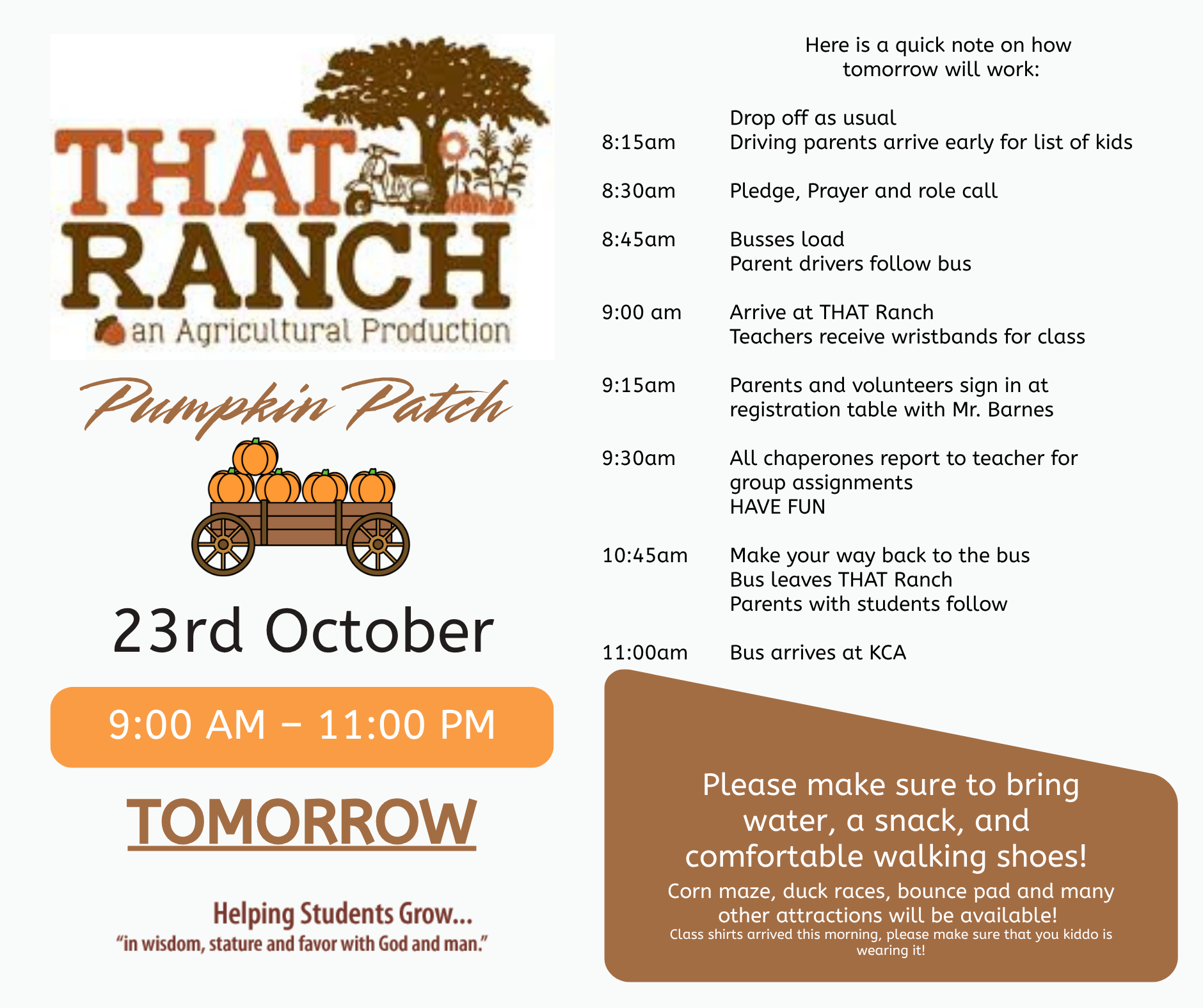
Consider how a trip to Washington D.C. transforms abstract civics lessons into concrete understanding of government processes. Students don't just read about democracy – they experience it firsthand. They develop the kind of deep, nuanced understanding that enables them to engage meaningfully in college-level political science, history, and philosophy courses.
Service learning projects develop empathy, leadership skills, and social awareness. Students learn to identify community needs, develop solutions, and work collaboratively toward meaningful goals. These experiences build the kind of civic engagement and social consciousness that college admissions officers value and that prepares students for leadership roles in their future careers.
Broad Academic Offerings for Diverse Strengths
Quality Christian schools recognize that college readiness means preparing students for diverse post-secondary paths. While maintaining strong core academics, they offer varied opportunities that help students discover and develop their unique gifts and interests.
From honors programs that challenge academically gifted students to real-world skill courses in areas like graphic design, business, and technology, Christian schools provide the kind of comprehensive education that enables students to enter college with both depth and breadth of knowledge. Students graduate with strong foundational skills while also having explored potential career interests and developed specialized competencies.
This broad approach also includes robust arts, athletics, and extracurricular programs that develop the well-rounded profile that competitive colleges seek. Students learn to balance multiple commitments, develop time management skills, and discover passions that may shape their college majors and career directions.
The Community Advantage
Perhaps one of the most significant advantages of Christian K-12 education is the strong sense of community that extends far beyond graduation. Alumni networks provide ongoing support, internship opportunities, and career connections. The relationships formed in these close-knit school communities often become lifelong friendships and professional networks.
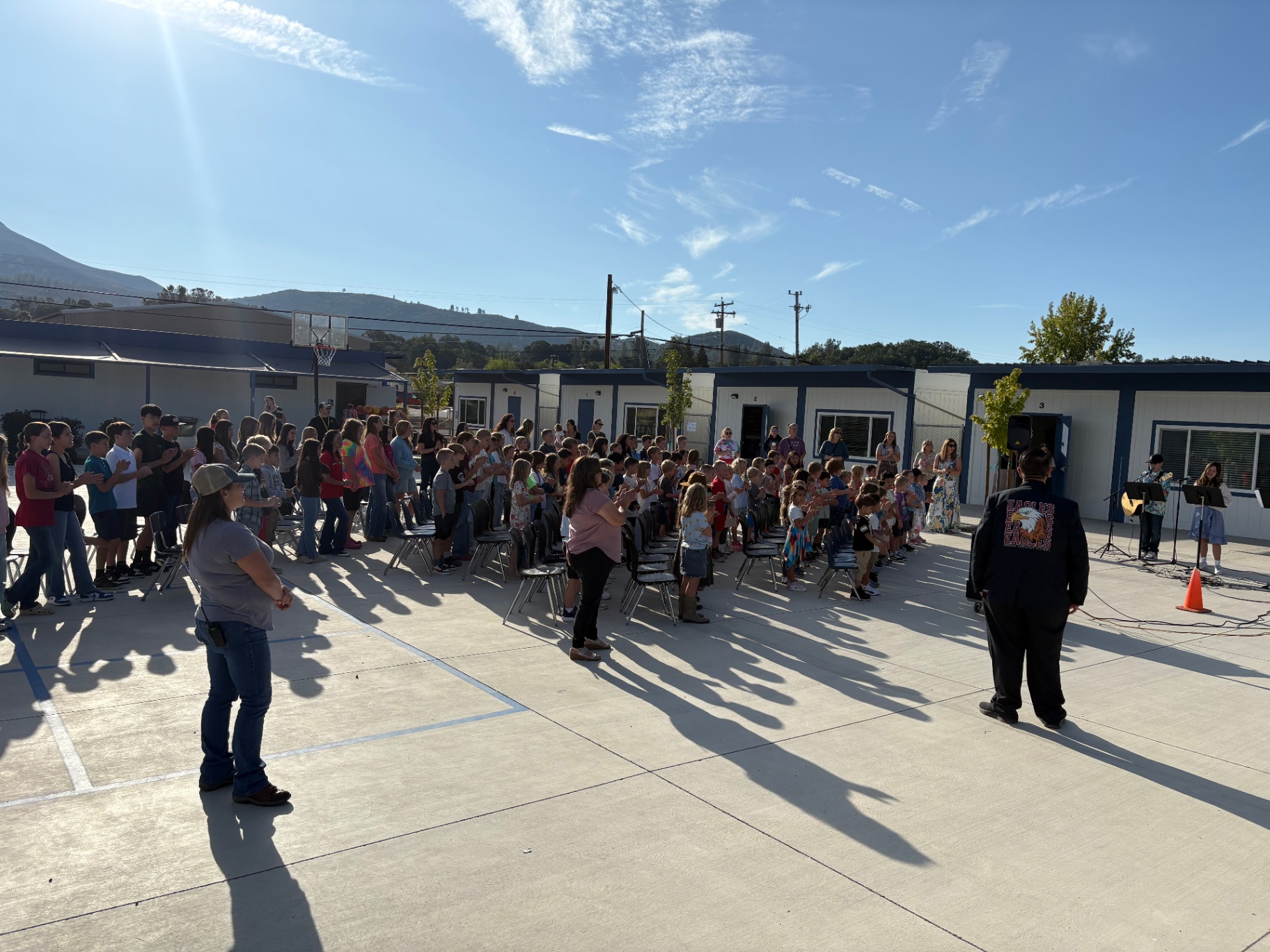
This community support is particularly valuable during the college transition. Recent graduates often maintain connections with teachers and administrators who continue to provide guidance and encouragement during challenging college years. The school community celebrates successes and provides support during difficulties, creating a safety net that helps students persist through college challenges.
Parents also benefit from this community connection. They receive ongoing support and resources for navigating the college application process, understanding financial aid options, and supporting their students through the transition to independence.
Looking Forward: Preparing Tomorrow's Leaders
The research makes it clear that certain factors within Christian education – small class sizes, integrated curriculum, professional mentorship, experiential learning, and strong community support – create optimal conditions for developing college-ready students. But the goal extends beyond mere college preparation to developing young adults who will make positive contributions to their communities and the world.
Students who experience quality Christian K-12 education graduate with more than academic credentials. They possess the character, wisdom, and sense of purpose that enable them to thrive in college and beyond. They're prepared not just to succeed academically but to lead with integrity, serve with compassion, and engage with excellence in whatever field they choose to pursue.
If you're considering educational options for your child, take time to visit schools and observe these factors in action. Look for evidence of personalized attention, integrated learning approaches, genuine mentorship relationships, and vibrant community engagement. The investment you make in quality Christian education today will yield dividends throughout your child's college years and beyond.
To learn more about how KCA Eagles prepares students for college success through our comprehensive approach to Christian education, we invite you to explore our programs and discover the difference that purposeful, faith-based education can make in your child's future.
Works Cited
Anderson, Michael, and Sarah Thompson. "Mentorship in Secondary Education: Impact on College Readiness." Journal of Educational Research, vol. 45, no. 3, 2024, pp. 198-215.
Coleman, James, and Lisa Kim. "University-Model Schools and Academic Achievement: A Comparative Analysis." Christian Education Quarterly, vol. 28, no. 2, 2023, pp. 150-167.
Johnson, Robert, and Patricia Roberts. "Class Size and Student Outcomes: Longitudinal Evidence from Secondary Schools." Educational Policy Review, vol. 52, no. 4, 2024, pp. 72-89.

Comments